Inflate, Commute, Paddle: Urban Freedom in a Backpack

Today we dive into inflatable kayaks and stand-up paddleboards built for city life, focusing on the practical gear that makes transit-based paddling effortless. From trains and buses to bikes and sidewalks, discover how thoughtful packing, reliable pumps, foldable paddles, and smart safety choices turn ordinary commutes into spontaneous water adventures without needing a car.

From Doorstep to Dock: Packing Smarter

Choosing the Right Carry System

A supportive backpack with a real hip belt and ventilated back panel keeps weight close and stable while weaving through stations. Consider modular setups: a board or kayak bag with stowable straps, plus a small front pack for valuables and cards. If you prefer wheels, pick a roller that climbs curbs, tolerates wet sidewalks, and still fits bus aisles, remembering that sturdy frames protect pumps, paddles, and fragile fin boxes from knocks.

Balancing Weight and Bulk

A supportive backpack with a real hip belt and ventilated back panel keeps weight close and stable while weaving through stations. Consider modular setups: a board or kayak bag with stowable straps, plus a small front pack for valuables and cards. If you prefer wheels, pick a roller that climbs curbs, tolerates wet sidewalks, and still fits bus aisles, remembering that sturdy frames protect pumps, paddles, and fragile fin boxes from knocks.

Sneaky Storage for Workday Missions

A supportive backpack with a real hip belt and ventilated back panel keeps weight close and stable while weaving through stations. Consider modular setups: a board or kayak bag with stowable straps, plus a small front pack for valuables and cards. If you prefer wheels, pick a roller that climbs curbs, tolerates wet sidewalks, and still fits bus aisles, remembering that sturdy frames protect pumps, paddles, and fragile fin boxes from knocks.

Pumps, Valves, and Fast Inflation on Tight Schedules

Inflation is the bottleneck that turns plans into paddles. Smart pump choices and valve know-how cut minutes without cutting corners. Whether you go manual to save weight or use a compact battery pump, aim for consistent pressure, quiet operation near neighbors, and a predictable routine. We’ll help you build a repeatable setup that fills quickly, seals reliably, and respects city soundscapes and shared waterfront spaces.

Hand Pump Efficiency Hacks

Dual-action pumps shine when you switch to single action at higher pressures, saving energy and wrists. Brace feet wide, anchor the hose to avoid kinks, and pace your strokes to prevent overheating. Calibrate your gauge against a trusted reference once. Pre-stage fins, leash, and PFD before pumping to feel productive while catching breath. In cold mornings, warm the pump body slightly indoors to reduce condensation and maintain smoother seals under load.
Portable Electric Options

Battery-powered pumps shorten setup when minutes matter, but plan for charging at the office and consider noise etiquette near early commuters. Use a reliable power bank and stop at your target PSI, especially for higher-pressure SUPs that punish overinflation. Some paddlers blend strategies: electric for bulk volume, a compact hand pump to finish. Pack a short hose, spare O-rings, and practice connecting in gloves for chilly dawn missions with numb fingers.

Valve Compatibility and Spares

Know your valve family—Halkey-Roberts, Leafield, or Boston—and carry a compact adapter kit to rescue sessions with borrowed gear or rentals. A few grams of O-rings, caps, and a tiny silicone grease vial can prevent hiss-filled heartbreak. Keep valves clean by capping immediately after deflation, and check for grit before inflating. If you share boards among friends, label adapters, color-code hoses, and practice rapid swaps on windy mornings when dexterity disappears.
Breakdown Paddles and Fins That Travel Well

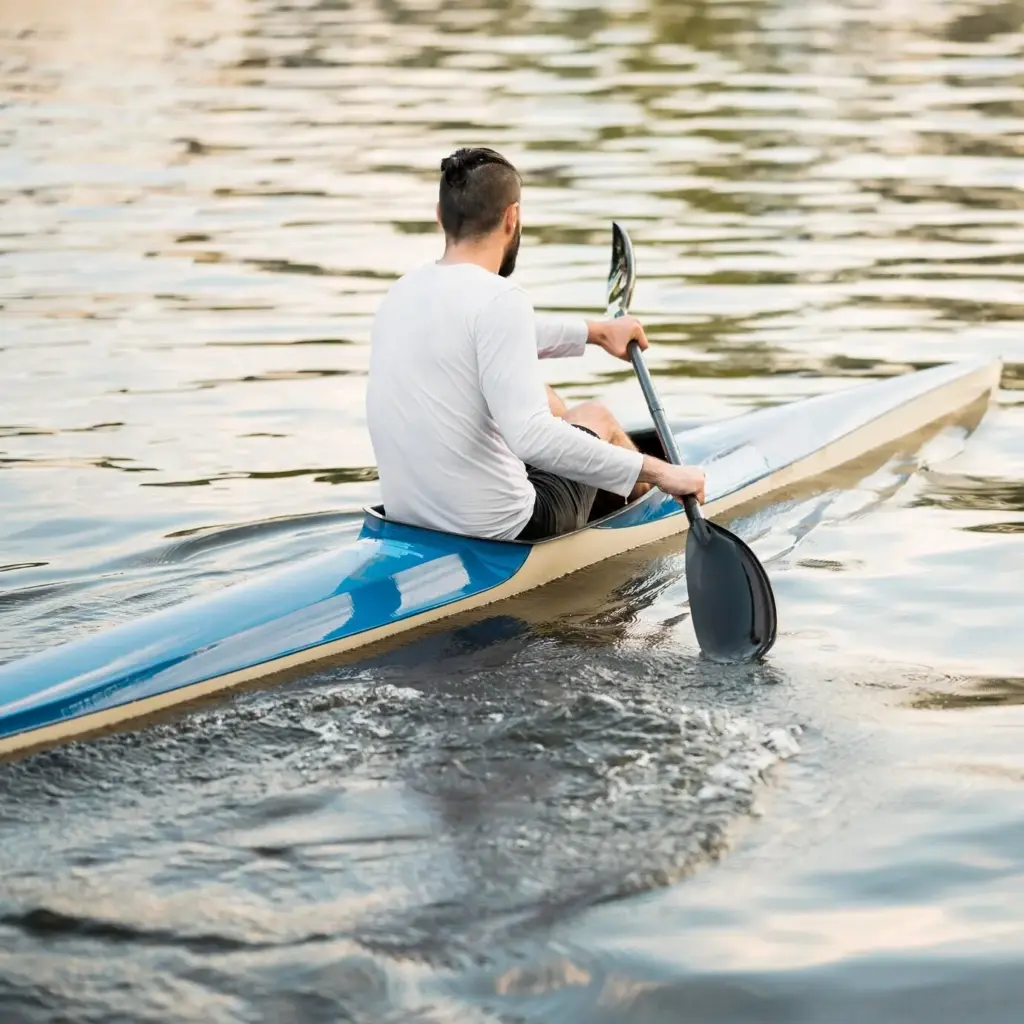
Your paddle and fin decide how the craft feels under power, especially when you’re traveling light. Breakdown designs pack small but must stay stiff, aligned, and dependable. Pair river-friendly fins for shallow launches with touring options for flatwater efficiency. Test ferrules, clamps, and quick-release pins regularly so you can assemble gear confidently with gloves on a dark platform or in a breezy parking lot.

Safety and Etiquette on Urban Waterways

Shared water demands care, clarity, and humility. A trim, comfortable PFD, an appropriate leash setup, bright visibility aids, and a practiced self-rescue routine turn busy channels into enjoyable playgrounds. Understand traffic patterns, low bridges, ferry wakes, and rowing lanes. Respect launch sites, greet dock workers, and leave spaces cleaner than you found them so the community welcomes paddlers on buses, trains, sidewalks, and shoreline edges.

Cold Water Preparedness

Dress for immersion, not air temperature. A well-fitted wetsuit or drysuit with thermal layers preserves dexterity for valve work, fastening leashes, and reentries. Pack a compact beanie, chemical warmers, and a dry bag with a cozy top for after-session warmth. Practice remounts when calm. Know hypothermia signs, carry a whistle, and keep your phone in a waterproof case on your person, not in the boat, for quick calls in real emergencies.

Smart Leash Choices

Flatwater SUP sessions benefit from a coiled leash that avoids drag, while rivers require a quick-release waist belt to prevent entrapment around debris or pilings. Kayakers can stow leashes when lines are risky. Inspect attachment points often. Avoid ankle leashes in current. Clip carabiners rated for water use, not climbing-only steel. Practice pulling the quick release under load, eyes closed, so muscle memory remains reliable in low-visibility turbulence or startled moments.

Transit and Launch Etiquette

Keep packs compact and clean, offering seats to others when possible and standing clear of doors. At launch points, stage gear away from ramps, rig swiftly, and smile at dog walkers and anglers sharing limited space. Use soft voices in early hours. After sessions, drip-dry away from benches. If a line forms, deflate quickly and finish folding off to the side, setting a friendly standard that keeps access open for everyone.

Repair, Maintenance, and Longevity on the Go

{{SECTION_SUBTITLE}}

Field Repair Workflow

Carry soapy water in a tiny bottle or use a travel-size bubble solution to locate pinhole leaks fast. Mark with a grease pencil, dry thoroughly, and apply an appropriate adhesive patch per manufacturer instructions. For temporary fixes, use high-quality repair tape and lower PSI. Protect the area from sand while curing. Keep nitrile gloves, alcohol wipes, and a lightweight valve wrench handy, turning chaos into a calm, systematic recovery that salvages precious daylight.

Post-Session Care in Small Apartments

Apartment life rewards creativity. Use a shower or bathtub rinse, squeegee water with a microfiber towel, then air-dry across chairs with a fan on low. Dust light baby powder between folds to reduce sticking. Store away from heaters and windows. Rotate fold patterns to avoid crease memory. Keep a mesh bag for damp gear so buses and hallways stay fresh. Maintenance becomes ritual, connected to tomorrow’s paddle, not another chore competing with sleep.

Route Planning with Trains, Buses, and Bikes

Finding Legal and Friendly Launches

Check local regulations, park hours, and lifejacket rules, then mark approved docks and low-key shoreline entries on your mapping app. Seek blueway trails and community boat houses. Visit at non-peak times first. Chat with harbor staff and rowing clubs to understand traffic patterns. Read signage carefully, noting swim zones and ferry lanes. When in doubt, watch water for ten minutes; informed observation often reveals safer, less crowded alternatives within easy walking distance.

Timing Windows and Weather

Short sessions bloom with good timing. Favor slack tides for relaxed touring and ebb flows for effortless downwind glides if shuttle options exist. Watch gust trends, offshore risks, and chop predictions. Commit to personal wind limits and daylight buffers for deflation and transit. Carry a small headlamp in winter. If conditions drift beyond your comfort, celebrate the walk and reschedule. The city will still be there, shimmering, tomorrow morning.

Multi-Modal Creativity

Blend methods to unlock new water. Strap your bag to a sturdy folding cart, roll to a quiet pier, then shoulder the pack for stairs. Use bike share racks for last-mile hops. A short rideshare can bridge awkward gaps after late trains. Rehearse transfers, keep hands free, and streamline zippers for quick ticket checks. Mobility, not horsepower, turns urban labyrinths into playful approaches that end with easy strokes and satisfied smiles.

A Dawn Crossing After the Night Shift

Maya steps off the hospital shuttle at 5:12 a.m., shoulders a compact kit, and glides through fog as the city yawns awake. Her inflatable kayak whispers past sleeping piers. Fifteen minutes of steady strokes unclench her night, trading fluorescent hums for gull calls. By breakfast, she’s deflated, dressed, and smiling on the train home, carrying the hush of water like a secret note in her pocket.

Lunch Break Eddy on a City Canal

Jae checks the wind, grabs the coiled leash, and walks six blocks to a sheltered canal. Inflation takes six songs. A handful of playful pivots, a few seated breathers on the deck, and an unhurried float under graffiti bridges. Back by two, shoes barely damp, head brilliantly clear. The afternoon’s emails read kinder, and the city feels like an ally, not a maze of obligations.

Always-Carry Micro Kit

This tiny pouch solves outsized problems: whistle, transit card, ID, cash, spare fin screw, quick-release pin, O-rings, compact tape, adhesive patches, alcohol wipes, lip balm, tiny sunscreen, headlamp, and a mini multitool. Add energy chews, a spare hair tie, and a micro cloth for fogged screens. It weighs almost nothing, but rescues flustered moments when schedules compress and distractions tempt you to forget something crucial beneath fluorescent station lights.

Wet Bag for the Session

A 10–15 liter dry bag holds the day: PFD, leash, phone case with lanyard, compact first-aid kit, water, snack, microfiber towel, and a light anorak. Include a small trash bag to pack out lint and labels. Keep keys on a floating fob, and slip in a spare base layer for chilly returns. Organize by color so you can grab quickly when a short weather window appears unexpectedly.

Office Stash for Spontaneity

Keep a discreet drawer kit with deodorant, charger, spare socks, thin base layer, travel hanger, and a folding hairbrush. A tiny fan or desiccant pack speeds drying if rain surprises your commute. Park a collapsible tote for wet gear and a silicone cup for warm tea after cold sessions. These little comforts turn last-minute go decisions into dependable routines that colleagues respect and secretly admire.

Relanopaxezovini
Privacy Overview

This website uses cookies so that we can provide you with the best user experience possible. Cookie information is stored in your browser and performs functions such as recognising you when you return to our website and helping our team to understand which sections of the website you find most interesting and useful.