Paddle More, Drive Less: Journeys That Begin at the Bus Stop

Today we dive into Car-Free Paddling Adventures via Public Transit, exploring how buses, trains, trams, and ferries can deliver you and your small craft to surprising shorelines. We will cover practical planning, compact gear, on-board etiquette, safety, and memorable itineraries. Add your favorite routes in the comments, subscribe for fresh ideas, and help build a friendly map of accessible launches that proves adventure can start with a transit card and a little curiosity.

Scouting Launches Near Transit Stops

Before committing, study maps for piers, gentle beaches, or public ramps located a short, unobstructed walk from stations or stops. Cross-reference official park pages with user trip reports to confirm open hours, seasonal closures, or construction. If stairs are unavoidable, note handrails and load options, and consider lighter gear. Save exact pins, note bathroom locations, and mark emergency exits where you could safely leave the water and rejoin transit if conditions change suddenly.

Reading Timetables Like River Charts

Timetables have currents, too. Off-peak windows often mean roomier vehicles and fewer crowds, reducing stress for you and fellow riders. Build in buffer time so a missed connection does not rush your launch or shorten your daylight. Consider headways when planning one-way floats with a downstream takeout. If a transfer is essential, set alerts for service changes. Treat frequency like water flow: reliable intervals create smooth journeys, while gaps require flexible pacing and patient decision-making.

Last-Mile Walks That Feel Like Part of the Trip

Embrace the stroll from stop to shoreline as a calm prelude. Choose routes with sidewalks and shade, and balance distance against load weight to stay fresh for the water. If the path crosses busy roads, plan safe crossings and avoid blind corners. Lightweight backpacks, tidy straps, and compact paddles prevent snags near hedges or handrails. Build a few minutes to greet locals or read interpretive signs; these tiny pauses enrich place awareness before you launch.

Inflatables and Packrafts That Collapse Small but Paddle Big

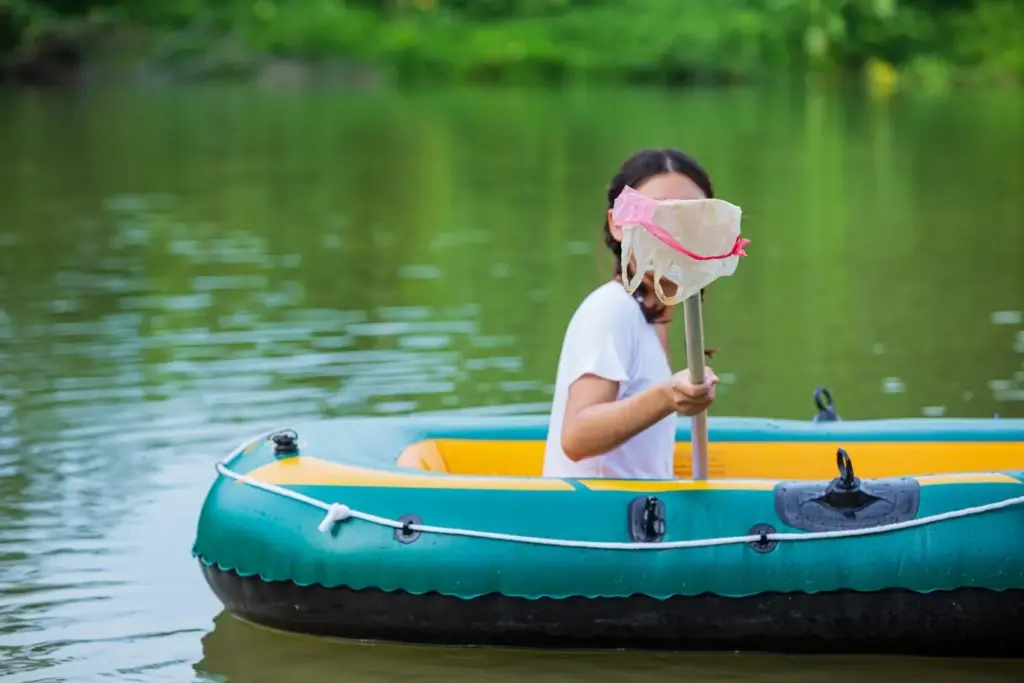
Modern packrafts and inflatables defy their size, fitting into a daypack while delivering surprising stability for calm bays, lakes, and mellow rivers. Match hull shape to conditions you actually paddle, and practice inflation routines to speed transitions. Bring a reliable pump or inflation bag, repair tape, and valve caps. Keep fins, skegs, or floor inserts organized. A well-chosen craft feels nimble on water yet disappears into a compact bundle as soon as you reach the station.

Compact Paddles, PFDs, and Dry Bags Without Bulk

Breakdown paddles with sturdy ferrules save space and assemble quickly on windy shores. Choose a comfortable, low-profile PFD that layers under a shell and remains visible. Use nested dry bags to separate clean clothing from wet gear later, minimizing drips on transit seats. Pack a bright bandana or towel to signal courtesy and wipe moisture. Think in grams yet protect essentials: spare whistle, headlamp, phone case, and a small first-aid kit tucked into reachable pockets.

Carrying Systems: Backpacks, Straps, and Keeping Hands Free

Hands-free movement reduces mishaps around doors and escalators. Hip belts and sternum straps improve comfort on stairs and long platforms. Use compression straps to prevent gear from shifting, and keep snag points minimal. If carrying a rolled craft externally, pad contact areas so frames and fabrics do not chafe. Balance weight between shoulders and hips, and practice donning or doffing quickly. Free hands make tapping tickets, holding rails, and offering courtesy space vastly easier during any transfer.

Etiquette and Logistics on Board

Boarding Smoothly Without Blocking Doors

Plan your position on platforms so you are not first through the most crowded doors. Let others exit fully, then step aboard with compact gear aligned to your body. Move inward promptly, giving doorways and aisles generous clearance. Avoid sprawling bags underfoot; stack vertically if safe. Offer seats near your bundle when possible, and be prepared to relocate if a stroller or mobility device boards. Gentle mindfulness transforms loading moments into effortless, friendly choreography.

Keeping Drips and Sand Contained

Transit rides appreciate tidy gear. Before boarding, towel off hulls, paddle blades, and shoes. Use a dedicated wet bag or lightweight tarp to wrap damp items, containing salt, sand, and river grit. Bring a small absorbent cloth for any unexpected drip, showing care for shared seats. Double-bag electronics and place absorbent packs near valves. A clean, contained kit signals respect for the system and encourages staff and riders to welcome similar adventures tomorrow.

Talking with Operators and Respecting Agency Rules

Every network posts policies on bulky items and quiet hours. Check them beforehand, screenshot key pages, and ask operators where your gear is safest. If a vehicle is crowded, wait for the next one rather than forcing space. Thank staff for guidance and follow directions cheerfully. Polite conversations build trust, and trust sustains access. Positive encounters today help nudge future accommodations for paddlers, cyclists, and other human-powered travelers who rely on shared transportation.

Safety, Conditions, and Responsible Access

Even short outings deserve real preparation. Check wind forecasts, tide charts, and flow gauges, and match plans to your skills. Wear a PFD, carry communication, and plan daylight carefully. Choose conservative routes when riding solo, and establish visible waypoints. Respect closures, wildlife buffers, and local regulations. Decontaminate gear between waters to limit invasive species. Responsible decisions protect you, the ecosystem, and the community’s welcome toward people who arrive with paddles instead of parked cars.

Stories From the Route

First light, nearly empty cars, and a thermos warming your hands: the ride hums like a prelude. A short walk reveals a sheltered cove, where ospreys circle and city sounds soften. You inflate quietly, check straps, and slide off in silence. By the time commuters fill platforms, you have traced sunlit ripples, returned unhurried, and boarded home with salt-dried smiles. Simple schedules and simple water combined into a morning that felt beautifully abundant.
A breezy forecast becomes a plan stitched from headways and tide tables. You ride a bus inland, catch a ferry leap, and launch downwind with measured restraint. The shoreline scrolls by like a story, and you land ahead of weather on a sandy pocket near another stop. With hull rinsed and paddle broken down, the return ride feels triumphant. Transit turned the wind into a trusted ally rather than a looming obstacle.
Text threads glow at lunch, and a plan forms: meet at the station, share a pump, chase evening light. Work bags become dry-bag pillows, snacks get passed like small celebrations, and laughter carries across water. You finish beneath streaked clouds, stow damp gear neatly, and ride home together, tired and buoyant. No parking search, no late fees, just a simple loop that made Wednesday feel like a holiday crafted from timetables and tide kindness.

Community, Advocacy, and Sharing Routes

A supportive network multiplies possibilities. Share launch pins, seasonal cautions, and low-traffic windows to help others try their first transit-supported paddle. Offer beginner meetups with clear expectations and gentle water. Invite transit agencies and parks to collaborate on signage, sidewalk fixes, and accessible ramps. In comments, list your favorite connections and subscribe for future route spotlights. Every respectful post or letter helps shape welcoming shorelines where human-powered journeys can begin with a pass and a smile.
Relanopaxezovini
Privacy Overview

This website uses cookies so that we can provide you with the best user experience possible. Cookie information is stored in your browser and performs functions such as recognising you when you return to our website and helping our team to understand which sections of the website you find most interesting and useful.